
Google Developer Knowledge MCP, Linq $20M, FireCompass Explorer
The API Changelog issue 2026.06
This is issue 2026.06 of the API Changelog, a mix of API news, commentary, and opinion. In this issue, you'll get to know the most relevant API-related information from the week of February 2, 2026. Subscribe now so you never miss an issue of the API Changelog.
This issue of the API Changelog is sponsored by Jentic:
Jentic’s AI‑readiness scorecard gives teams a fast, standards‑aligned view of how usable an API is for agents. It surfaces gaps in summaries, examples, error handling, and auth that block reliable automation, and prioritises the improvements that raise both developer experience and agent success. Use it to benchmark APIs, align teams on readiness, and keep control as AI systems become the dominant API consumers.

Wow, what a week! If, in the last issue, we were already seeing signs of an AI and API synergy in the making, this time we get a confirmation. APIs are definitely no longer just the plumbing behind software. They are increasingly the interface through which AI moves, acts, and sometimes even fails.
In just a few days, we saw APIs help AI speak in real time, quietly embed itself inside everyday messaging apps, unify industries that have resisted standardization for decades, and leak secrets at a scale that spilled far beyond a single company. That combination is not accidental. It is what happens when APIs stop serving humans directly and start serving other machines.
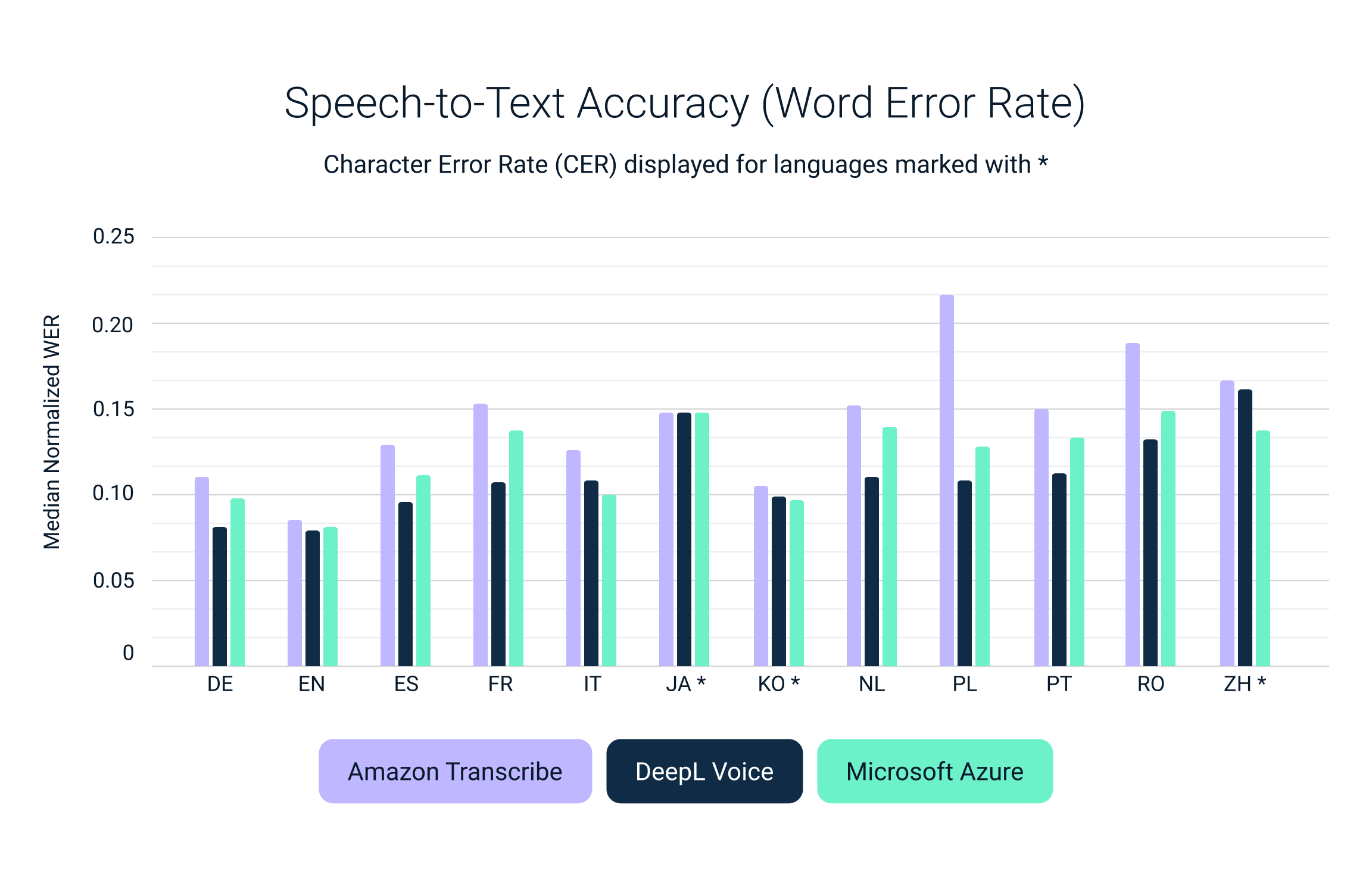
Take DeepL’s new Voice API. By moving from text-only translation into real-time, streaming speech, DeepL is not just adding another feature. It is reframing a long-standing organizational problem. Language barriers in contact centers have usually been solved with hiring, training, and geographic compromises. With this API, it becomes a software problem instead. Audio goes in, translated speech comes out, fast enough to keep a conversation going. The API does not replace people. It changes what people need to be good at.
Linq’s $20M Series A points in a similar direction, but from a different angle. Instead of building another chat app, Linq works at the messaging protocol level. Their API lets AI assistants live directly inside iMessage and WhatsApp. This is an API decision with real product consequences. By staying inside existing text threads and preserving native behaviors like blue bubbles, Linq avoids asking users to adopt yet another interface. The API becomes a distribution strategy, not just an integration detail.
Speaking of AI and WhatsApp, another AI tool following a similar strategy is OpenClaw, an open-source “agent platform that runs on your machine and works from the chat apps you already use. WhatsApp, Telegram, Discord, Slack, Teams—wherever you are, your AI assistant follows.” Unfortunately, according to security firm Snyk, there are over 280 leaky skills in the OpenClaw platform.
Companies of all sizes are paying attention to this AI torrent. Google, for instance, launched its Developer Knowledge API and MCP Server last week. The challenge they want to solve is, according to the announcement, how to “ensure that AI models have access to the most accurate, up-to-date documentation.”
But not every shift last week happened at the AI frontier. Some are happening in industries where fragmentation has simply become impossible to ignore. Take, for instance, Bitget’s B2B Wallet API. By exposing on-chain swaps, market data, and cross-chain transfers across 33 blockchains behind a single integration, Bitget is packaging DeFi complexity into something enterprises can realistically consume. Their Sentinel risk-control system is not a nice-to-have. It is what makes this API usable at all for institutions. Reliability here is part of the value proposition, not an afterthought.
Another interesting move is in real estate, an industry that has long been defined by disconnected systems. CRMs, transaction tools, and accounting platforms, all with their own version of the truth. Lone Wolf’s new API Portal takes a clear stance on this problem. By centralizing access to their Foundation cloud, they are offering a stable backbone that workflows can finally be built on top of.
As APIs accumulate more responsibility, the cost of getting them wrong goes up quickly. The Moltbook incident we reported last week is a painful example. A backend misconfiguration, specifically the lack of proper Row Level Security, allowed researchers to use a public API key to extract around 1.5 million authentication tokens and private messages. That alone would have been bad. What made it worse was what those messages contained. Third-party OpenAI and Anthropic API keys. Oops!
At that point, the issue stopped being a single-company breach. One API flaw turned into a supply chain problem. A vulnerability in Moltbook potentially exposed thousands of external systems downstream. This is the kind of failure mode that only shows up once APIs are deeply entangled with autonomous agents and external services.
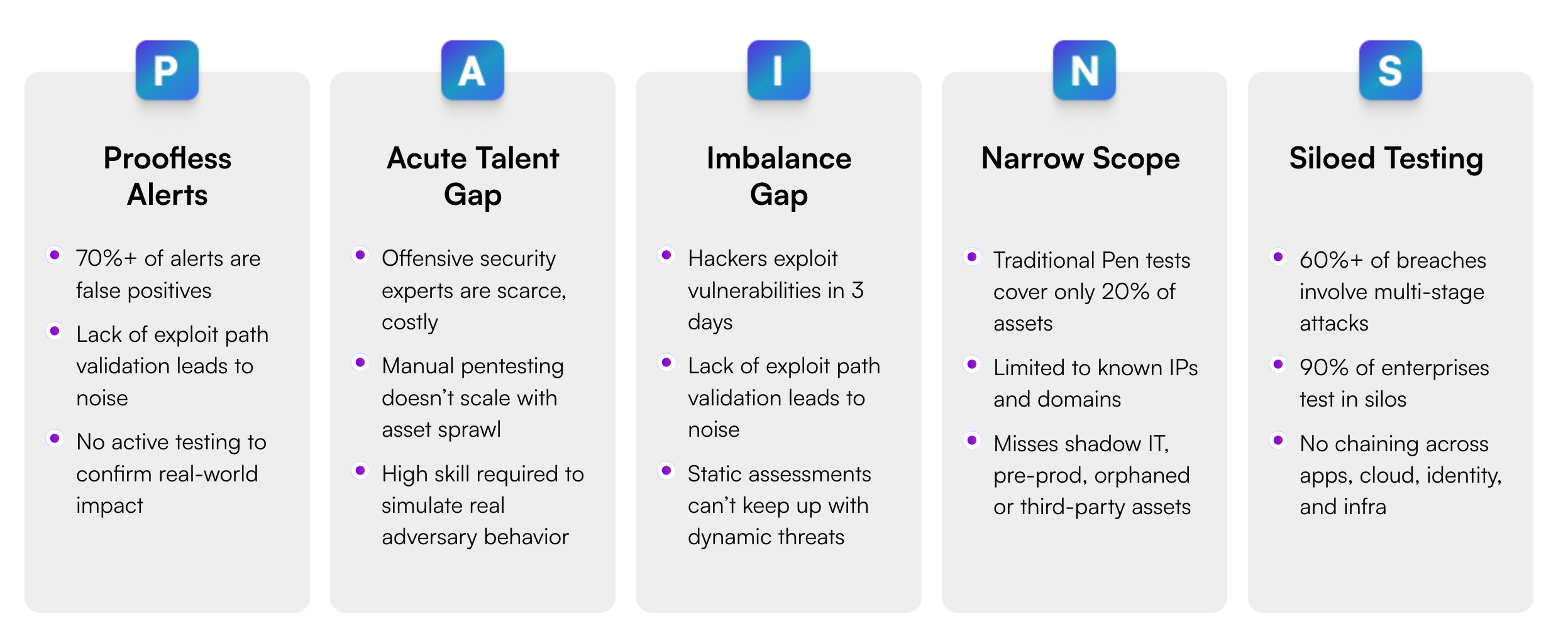
FireCompass’s launch of Explorer a few days later feels like a response to this new reality. Explorer uses agentic AI to perform autonomous penetration testing, with a specific focus on hidden or shadow APIs. These are the endpoints teams forget about, assume are internal, or never documented properly. Instead of scanning for isolated weaknesses, Explorer simulates multi-stage attacks the way real adversaries do. The goal is not compliance. It is finding problems before someone else does.
Looking at all this news makes me think that the audience for APIs is shifting. Developers are still there, but they are no longer the only consumer, and often not the primary one. More and more, APIs are being designed with workflows, systems, and autonomous agents in mind.
The question for teams building APIs now is not whether they’ll have to work with AI. It already does. The question is whether they are ready for what happens when it does, at scale, and without a human in the loop. That’s why understanding how AI-ready your APIs are is so important. Fortunately, there are tools like Jentic’s AI-readiness scorecard that can help.
Until next week!