
Kong + Solace, Odynn $9.5M, Knorex Ads API
The API Changelog issue 2026.08
This is issue 2026.08 of the API Changelog, a mix of API news, commentary, and opinion. In this issue, you'll get to know the most relevant API-related information from the week of February 16, 2026. Subscribe now so you never miss an issue of the API Changelog.
This issue of the API Changelog is sponsored by Jentic:
Jentic’s AI‑readiness scorecard gives teams a fast, standards‑aligned view of how usable an API is for agents. It surfaces gaps in summaries, examples, error handling, and auth that block reliable automation, and prioritises the improvements that raise both developer experience and agent success. Use it to benchmark APIs, align teams on readiness, and keep control as AI systems become the dominant API consumers.

This last week I’ve been seeing a clear acceleration towards unified data landscapes, the proliferation of agentic AI, and the opening of previously inaccessible markets. From financial services to advertising and hospitality, companies are strategically leveraging APIs to break down silos, enhance real-time capabilities, and build the infrastructure for an increasingly intelligent and automated future. Let’s dive into the moments I feel were the most important.
The partnership between Kong and Solace stands out as a prime example of this unifying trend. Their collaboration aims to create a single, observable data fabric that merges traditional request-response APIs with event-driven architectures. This move is critical for the evolving API management landscape, where event streams are no longer secondary but are elevated to “first-class API products.” By integrating API management with real-time event streaming, organizations can achieve a holistic view and governance over all data flows, a necessity for the rapid deployment of “agentic AI” systems that thrive on seamless, real-time context.
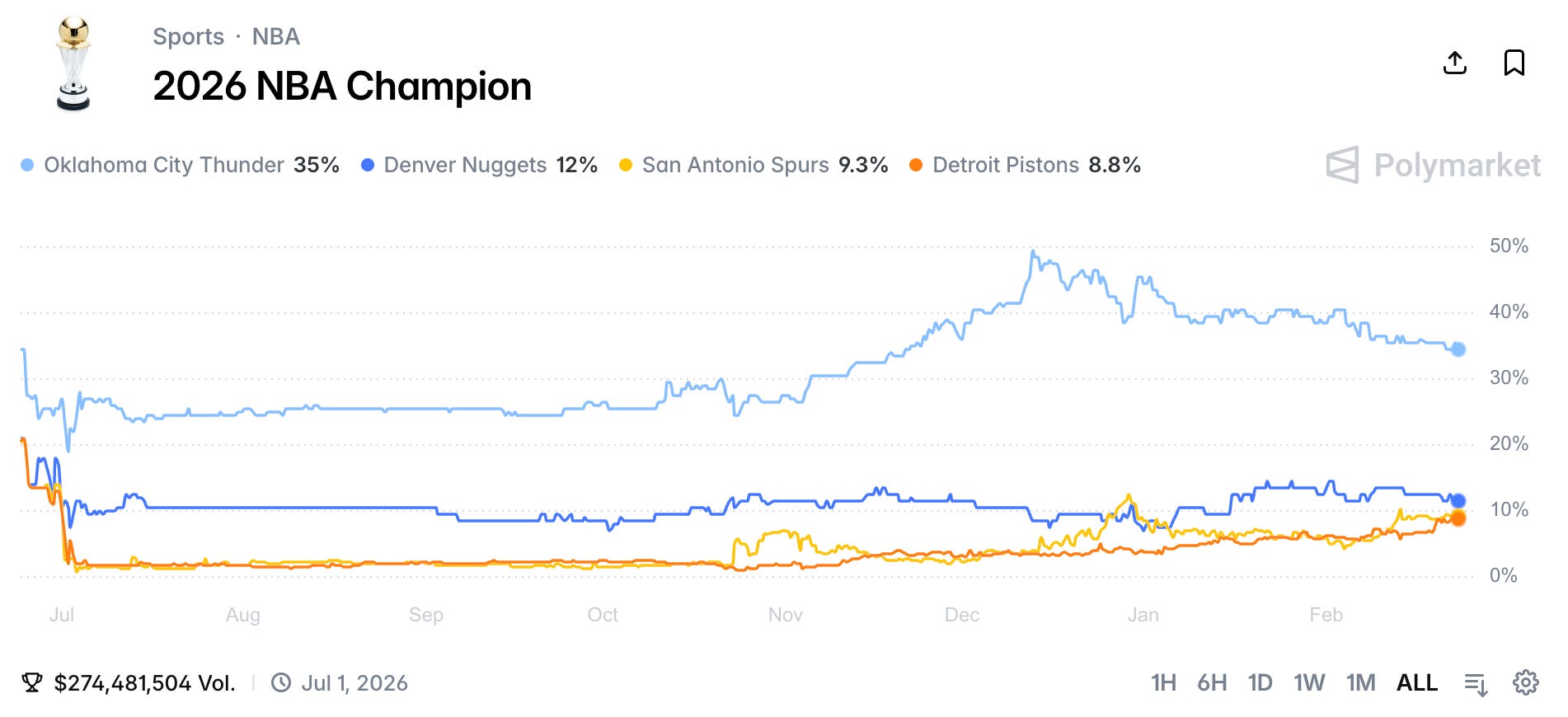
This focus on unification extends into specialized markets, as seen with Polymarket’s acquisition of Dome. Dome’s unified API for prediction markets directly addresses fragmentation, enabling developers to build applications that operate across multiple platforms from a single integration point. This acquisition positions Polymarket as a central hub, illustrating how API standardization can democratize access to complex data and foster innovation within niche ecosystems, reducing the technical burden for new entrants and driving liquidity.
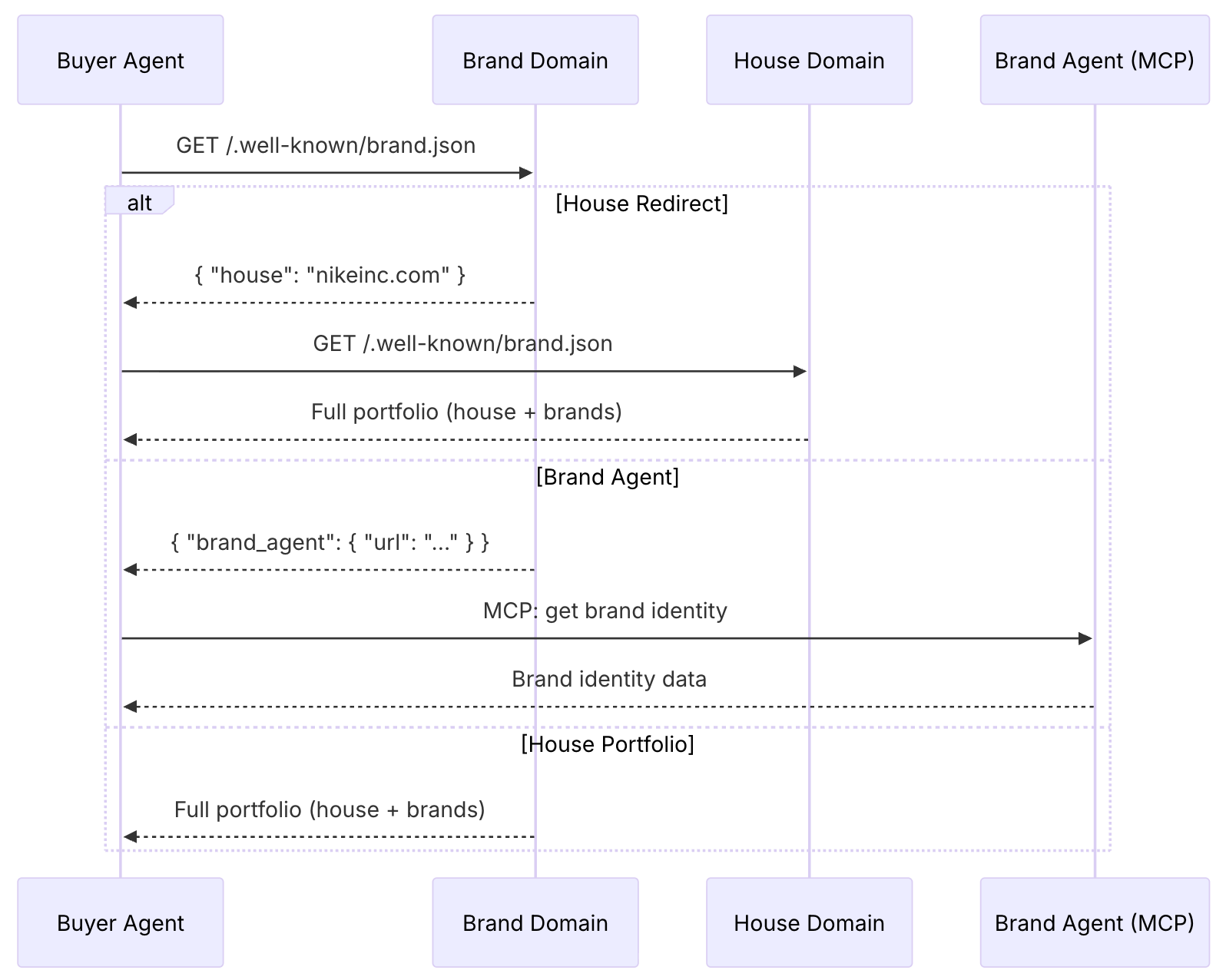
The direct impact of APIs on AI development was further highlighted by Knorex‘s launch of its Agentic AI-Ready Ads API. This initiative provides the programmatic “plumbing” for autonomous AI agents to manage sophisticated, cross-channel advertising campaigns. By adhering to standards like the Advertising Common Protocol (AdCP), Knorex is not just offering an API; it’s providing a foundational layer for AI systems to interact with advertising platforms using natural language, signaling a future where AI agents automate complex marketing decisions at scale.
Similarly, Santiment’s integration of its SanAPI with Claude Code exemplifies the direct fueling of AI. By exposing its vast repository of crypto-related metrics via a GraphQL API, Santiment empowers Claude’s AI agents to perform autonomous, real-time market analysis, transforming how intelligence is derived and acted upon in the crypto space.
Beyond AI, APIs are actively unlocking new financial markets and revolutionizing customer loyalty. Monark Markets’ $8.1 million raise underscores the power of embedded APIs to bridge the gap between traditional wealth management platforms and private markets. By allowing retail investors to access alternative assets within their existing accounts, Monark is democratizing investment opportunities through seamless API-driven connections.
Concurrently, Odynn‘s $9.5 million funding for its loyalty API platform demonstrates how APIs are transforming customer engagement. By acting as a “Plaid for Loyalty,” Odynn provides financial institutions with the infrastructure to integrate real-time rewards, travel booking, and point redemption directly into their digital offerings, moving away from fragmented loyalty programs towards unified, personalized experiences.
Finally, the hospitality sector is also undergoing a significant modernization through direct API connectivity. The collaboration between the Radisson Hotel Group and Amadeus to create a direct API link between Radisson’s EMMA CRS and the Amadeus Travel Platform bypasses outdated GDS systems. This move provides travel sellers with real-time inventory and rich content, enhancing accuracy and efficiency. By leveraging AI-driven data mapping within the API framework, they are setting a new standard for granular, “agentic-ready” data distribution in the travel industry.
In summary, February 2026 definitely shows that APIs are no longer just technical interfaces. They are strategic business enablers. They are the conduits through which data flows. They are opening new markets. They’re helping companies like yours to build new AI-driven experiences.
That’s why now, more than ever, you need to know if your API is ready for agents to consume it. With Jentic’s AI-readiness scorecard, you can have that information with no effort.