
OpenAI WebSocket Mode, 0x Cross-Chain API, TradeStation + Capitalize
The API Changelog issue 2026.09
This is issue 2026.09 of the API Changelog, a mix of API news, commentary, and opinion. In this issue, you'll get to know the most relevant API-related information from the week of February 23, 2026. Subscribe now so you never miss an issue of the API Changelog.
This issue of the API Changelog is sponsored by Jentic:
Jentic’s AI‑readiness scorecard gives teams a fast, standards‑aligned view of how usable an API is for agents. It surfaces gaps in summaries, examples, error handling, and auth that block reliable automation, and prioritises the improvements that raise both developer experience and agent success. Use it to benchmark APIs, align teams on readiness, and keep control as AI systems become the dominant API consumers.

Last week, I noticed a wave of sophisticated API integrations redefining how industries operate. Kong and Solace, Polymarket and Dome, and even Raddison and Amadeus. This shift is characterized by a move away from manual, "batch-processed" legacy systems toward real-time, event-driven architectures that empower both human decision-makers and autonomous AI agents.
This week, I’m seeing the trend continuing and also expanding into a reality where AI agents dominate the API consumer landscape.
As AI becomes the primary gateway for information discovery, there’s a growing need to monitor brand presence within its domain. After all, companies want to know how their brands are perceived when consumed by AI agents. Akii has addressed this by launching a developer-first AI Visibility API. This moves the platform from a simple dashboard to a programmable layer that growth teams can embed directly into their workflows.
Supporting over 50 models, including ChatGPT and Perplexity, the Akii API uses an asynchronous, job-based architecture with webhooks. This allows agencies to automate audits and treat “AI visibility scores” as live operational metrics, syncing data directly into CRMs to bridge the gap between AI discovery and actual revenue.
Simultaneously, the execution of value across these AI ecosystems is becoming seamless. 0x has introduced its Cross-Chain API in private beta, unifying liquidity across 15+ blockchains like Solana and various EVM networks into a single endpoint. Specifically engineered for “agentic swaps,” this API allows AI agents to execute multi-chain transactions in under a minute. By abstracting away gas logic and bridging complexities, 0x provides the infrastructure for a global liquidity pool, integrating with emerging standards like OpenAI’s Agentic Commerce Protocol.
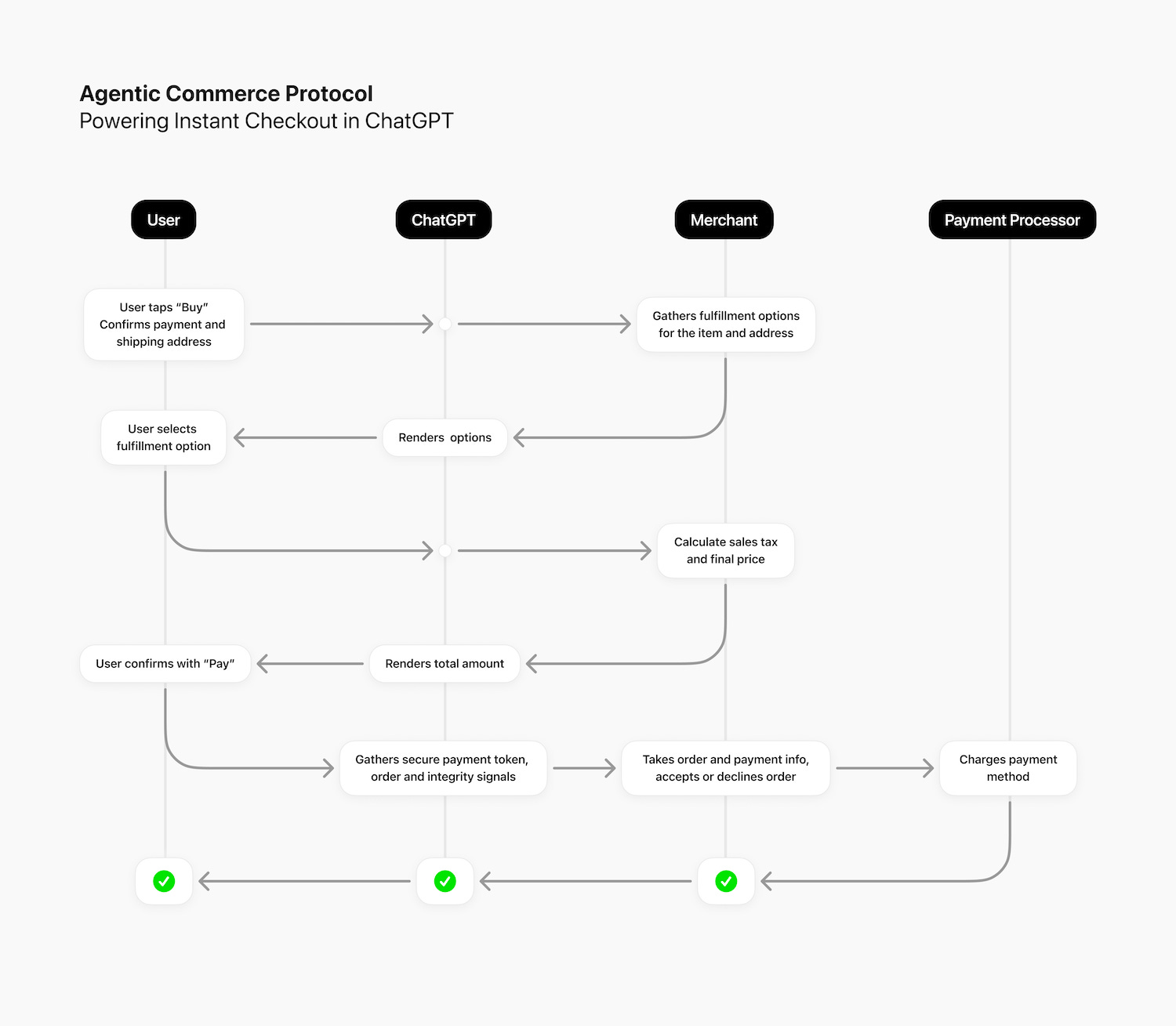
All this is great, right? However, the more features you add, the more demanding users and agents will be. The demand for speed is forcing a fundamental rethink of API architecture. That’s why OpenAI recently introduced a WebSocket mode for its Responses API, marking a departure from traditional, stateless REST interactions.
By maintaining a persistent, full-duplex connection, developers can reduce latency in complex agentic workflows. This system uses a connection-local in-memory cache to eliminate the need to resend entire conversation histories, making it the ideal infrastructure for low-latency tool orchestration and fluid AI interactions.
In the area of B2B integrations, Unified is scaling this one-to-many model with its new Assessment and Advertising APIs. These categories are designed to eliminate the need for maintaining hundreds of vendor-specific code paths. The Assessment API provides a standardized interface for background check and testing providers to embed their services directly into third-party Applicant Tracking Systems (ATS), allowing recruiters to order and view results without leaving their primary hiring dashboard. Meanwhile, the Advertising API unifies performance metrics and campaign management across major networks like Google, Meta, and TikTok, using a stateless, pass-through architecture that avoids data storage to ensure AI agents and analytics tools have live, up-to-the-minute access to spend and conversion data.
Both categories leverage the one-to-many model, where a single technical integration grants access to a broad ecosystem of providers through normalized data objects, significantly reducing development time while maintaining high security and data residency compliance. This was also one of the trends I’ve noticed last week.
And speaking of unification, fintech is seeing a surge in “aggregator of aggregators” models designed to simplify complex financial histories. This time, Pentadata and Esusu have partnered to launch a unified API that integrates rental payment history with open banking and credit data. By embedding verified rent reporting into a single standardized endpoint, they allow lenders to automate the inclusion of alternative data into risk models. This technical synergy is a major step forward for financial inclusion, helping renters qualify for homeownership more efficiently.
For active investors, TradeStation has partnered with Capitalize to integrate a Rollover API. This integration automates the notoriously fragmented process of moving legacy 401(k) assets into IRAs. By providing a “one-click” experience within the trading interface, TradeStation eliminates paper-based friction, ensuring that capital mobility is secure and synchronized.
The insurance sector is fighting its reputation for slow, manual processes. Mutual of Omaha has aggressively expanded its API ecosystem, connecting directly with platforms like ADP and Workday. Their Evidence of Insurability (EOI) API embeds medical underwriting questions directly into enrollment workflows, enabling instant decision-making and ensuring that premium data remains synchronized across HRIS and carrier systems.
Still in the medical fitness space, this time in the workplace, safety is becoming data-driven through the partnership between HSI Donesafe and Neopharma Technologies. Their API roadmap embeds NEOVAULT® and DRUID® impairment testing—covering drug, alcohol, and cognitive fatigue—directly into the Donesafe EHS platform. This centralizes “Fit-For-Duty” management, linking real-time assessment data to corrective actions and providing a unified source of truth for legal defensibility.
All these developments signal a definitive shift from static integration to active orchestration, don’t you think? We are moving past the era where APIs merely connected apps. Instead, we’ve entered an era where APIs serve as the nervous system for autonomous agents and real-time business logic.
Whether it is OpenAI slashing latency with WebSockets, 0x enabling AI-driven cross-chain commerce, or Mutual of Omaha turning months of insurance paperwork into days of digital synchronization, the theme is the same: the removal of friction. By abstracting away the complexities of blockchain gas, medical underwriting, and fragmented LLM data, these platforms allow growth teams, developers, and lenders to focus on strategic outcomes rather than technical plumbing.
As these programmable layers become more robust, the gap between data and action will continue to shrink. Organizations that embrace this API-first approach, treating brand perception, financial health, and workplace safety as live, operational metrics, will be the ones to lead in an increasingly automated global economy.
That’s why now, more than ever, you need to know if your API is ready for agents to consume it. With Jentic’s AI-readiness scorecard, you can have that information with no effort.
See you next week!