
This is issue 2026.11 of the API Changelog, a mix of API news, commentary, and opinion. In this issue, you'll get to know the most relevant API-related information from the week of March 9, 2026. Subscribe now so you never miss an issue of the API Changelog.
This issue of the API Changelog is sponsored by Jentic:
Jentic’s AI‑readiness scorecard gives teams a fast, standards‑aligned view of how usable an API is for agents. It surfaces gaps in summaries, examples, error handling, and auth that block reliable automation, and prioritises the improvements that raise both developer experience and agent success. Use it to benchmark APIs, align teams on readiness, and keep control as AI systems become the dominant API consumers.

Last week’s theme was the “Agentic Stack.” We’ve officially moved past simple chatbots. The industry is now building the literal “hands” (or claws) for AI. From programmable bank accounts to network-level identity, the infrastructure is being rewritten to support autonomous machine-to-machine commerce.
Let’s look at some of the things that impressed me the most.
To me, the most significant shift was the emergence of banking and communication tools where the primary user is now an AI, not a human! Brighty launched an API for Agentic Banking. In a massive shift for fintech, Brighty has released a dedicated banking API designed specifically for AI agents. This isn’t just a dashboard with an API key. It’s a programmable financial layer that allows agents to independently execute SEPA/SWIFT payments, manage multi-currency FX, and even issue virtual cards. By treating AI as a primary user, Brighty is effectively turning banking into a pluggable utility for autonomous business workflows.
Meanwhile, AgentMail raised $6M for AI-Native Email. To complement financial “hands,” agents need a communication identity. AgentMail secured its seed round to build an email infrastructure specifically for agents. Their Onboarding API allows agents to self-provision inboxes, while native MCP support lets agents treat their inbox as long-term memory. We are seeing the birth of the “Virtual Employee” infrastructure.
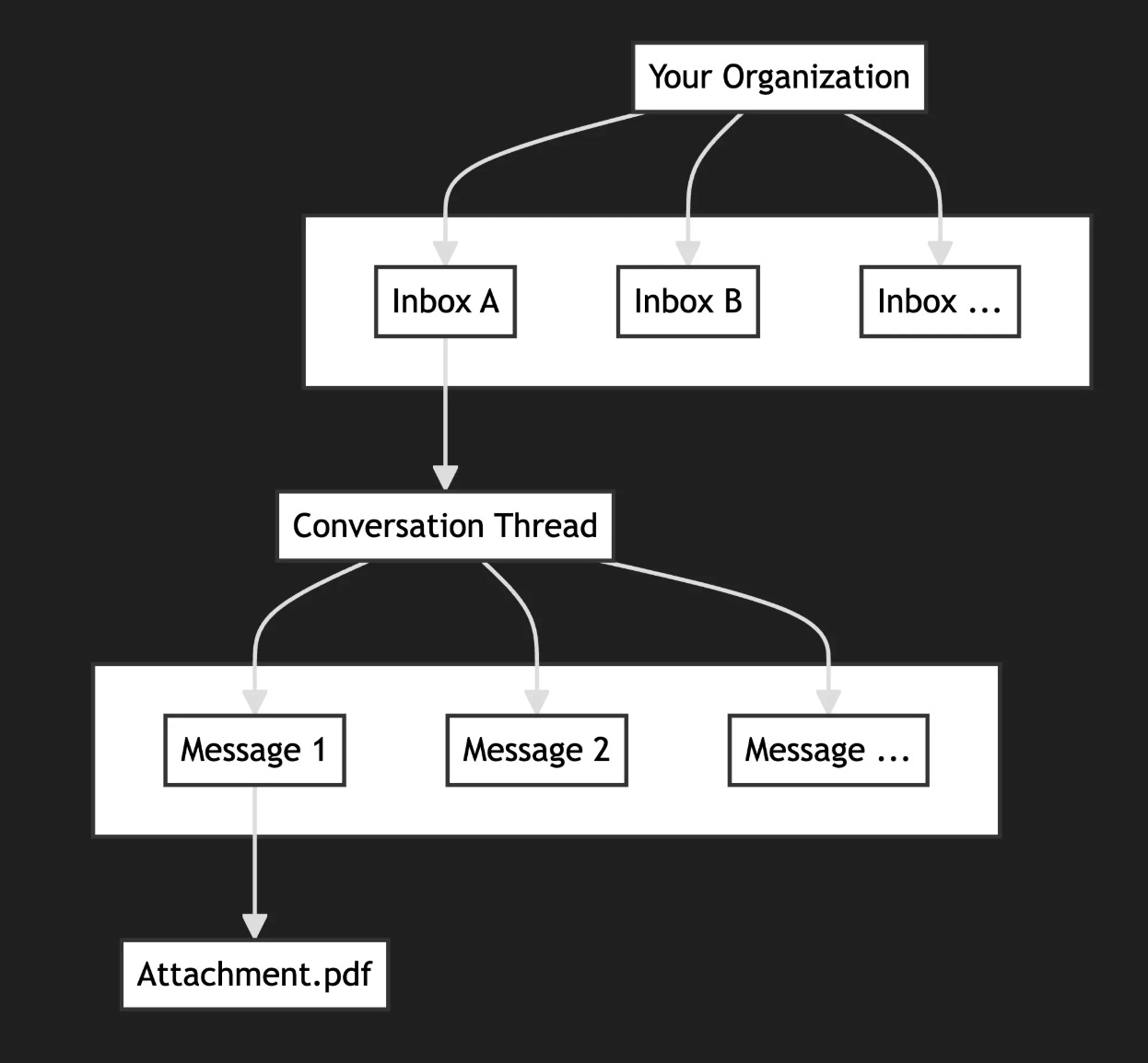
Inboxes for your agents on demand.”And since all those inboxes can certainly generate loads of API calls, there will be a huge appetite for governing all the associated traffic.
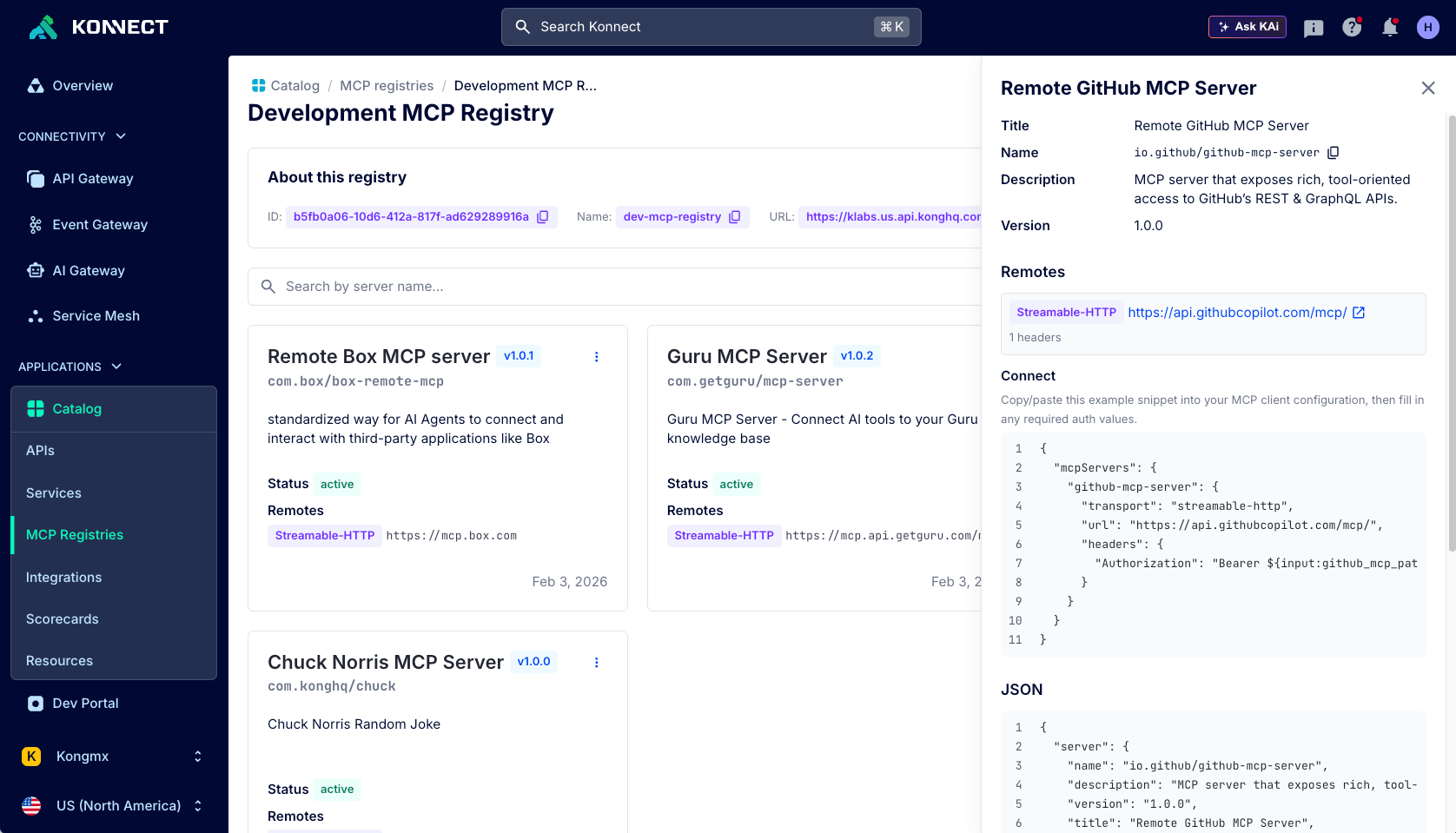
Kong Unveiled AI Connectivity Roadmap, “an architectural approach to connecting and governing traffic across APIs, AI models, and agent-based systems.” The company is evolving its Konnect platform into a unified control plane for the “agentic stack.” By treating AI model calls and MCP connections as first-class citizens alongside REST traffic, Kong is positioning its AI Gateway as the central brain for security and rate limiting. The new MCP Registry is particularly interesting, acting as a “service catalog” where agents can discover authorized tools in a secure environment.
Additionally, Feathery recently launched an industry-first solution that enables wealth management firms to perform “one-click” account openings for Charles Schwab directly through its AI-driven platform. By leveraging Schwab’s Digital Account Onboarding APIs, this integration allows advisors to eliminate manual data entry and context-switching between different software, as client data collected in Feathery is validated and transmitted programmatically to Schwab in a single workflow.
Now let’s jump into the communications space, if you will.
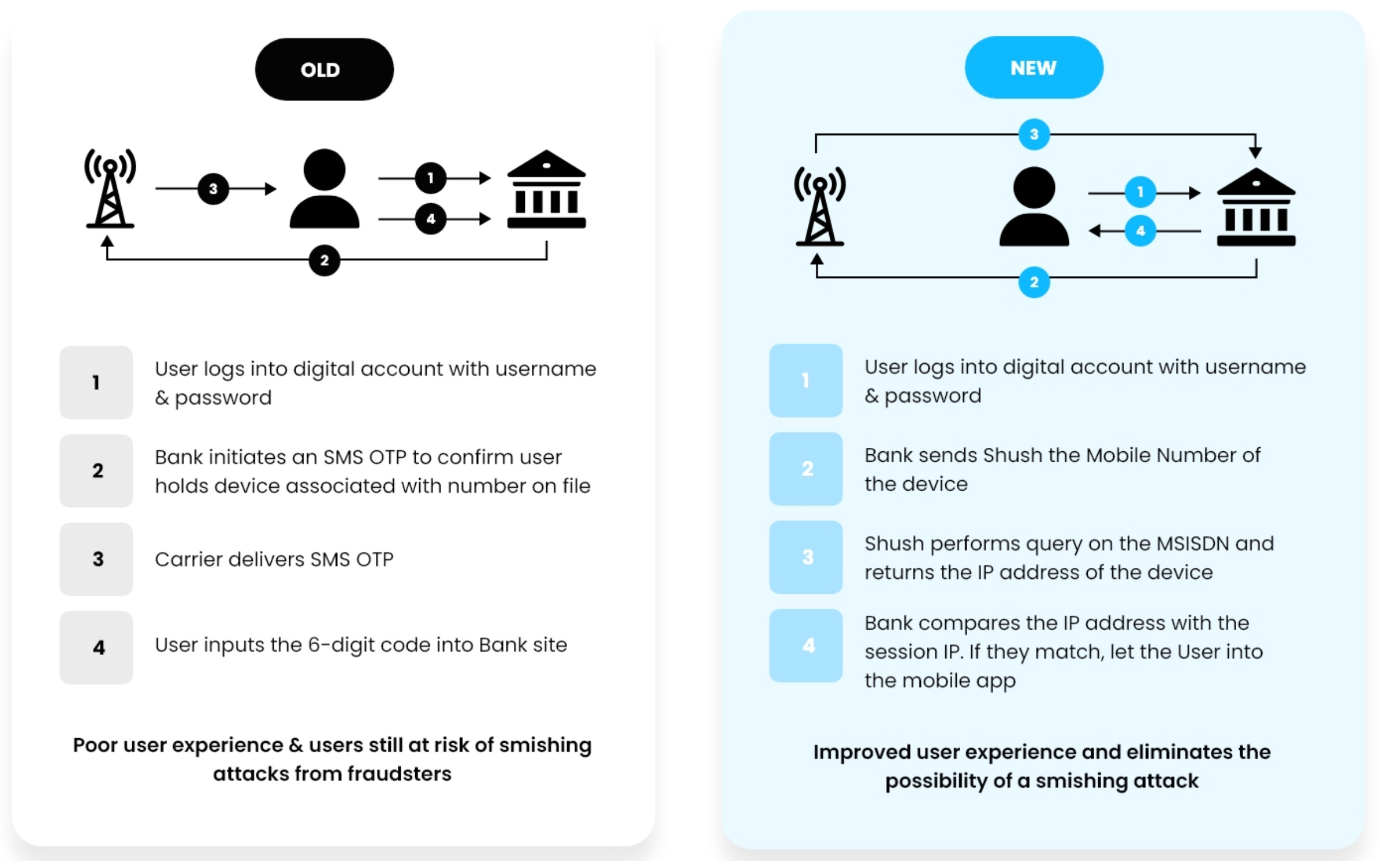
I feel we’re witnessing a move away from fragile, human-centric security toward “invisible” network-level verification, like One NZ & Shush Partnership for Network APIs. They are deploying 47 standardized network APIs (compliant with GSMA Open Gateway and CAMARA). This allows developers to call the Silent Authentication and SIM Swap Detection APIs directly at the carrier level. It’s a win-win: better security for the enterprise and a new monetization path for telco data.
Also, Mimecast is challenging the idea that API-based email security is “lite.” Their new Integrated Cloud Email Security (ICES) deployment brings their full detection stack to Microsoft 365 via API. It’s deployment agility without compromising on deep threat inspection.
Chai AI implemented Native Age Verification, using Apple and Google’s OS-level APIs. Chai AI can now verify user age categories without ever touching sensitive government IDs. It’s a privacy-first approach to compliance, using the “trust layer” already established by the major mobile ecosystems.
In an adjacent area, social trading is going headless with Brokeree Opening Social Trading API. They have decoupled copy-trading logic from the terminal, allowing any broker or bank to plug social trading features into their own apps via a RESTful API.
Now, changing topic completely, let’s look at an industry that you can say is very conservative.
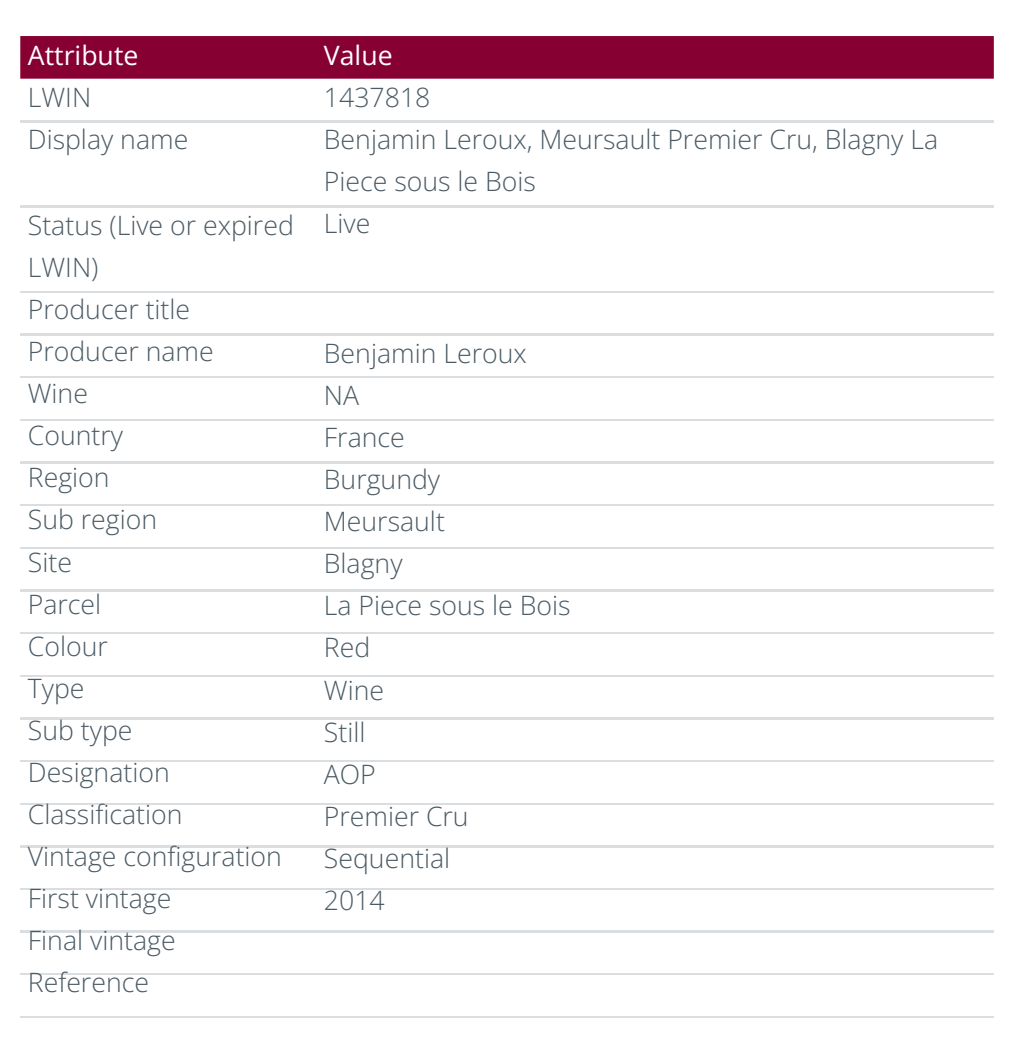
Liv-ex & JancisRobinson.com integration is using the LWIN (Wine Identification Number) as a primary key. Liv-ex is now streaming professional wine scores and tasting notes via API. It’s a perfect example of how standardized identifiers can turn fragmented, qualitative data into a liquid digital asset for the trade.
Ultimately, all these developments show me that there’s a fundamental shift in the API economy from simple data exchange to a robust, autonomous infrastructure. By moving security to the network layer, financial operations to programmable one-click endpoints, and even perishable goods management to frictionless integrations, the industry is building a world where AI agents can operate with the same legitimacy as human users.
That’s why I believe that organizations that treat their APIs as programmable products will be the ones to lead this automated economy. More than ever, you need to know if your API is ready for agents to consume it. With Jentic’s AI-readiness scorecard, you can have that information with no effort.
See you next week!