
This is issue 2026.14 of the API Changelog, a mix of API news, commentary, and opinion. In this issue, you'll get to know the most relevant API-related information from the week of March 30, 2026. Subscribe now so you never miss an issue of the API Changelog.
This issue of the API Changelog is sponsored by Jentic:
Free, self-hosted, and open-source. Jentic Mini lets your AI agents safely access 10,000+ APIs with centralized credential management and fine-grained permissions. Your agent says what it wants to do. Jentic Mini handles the how: finding the right API, injecting credentials at runtime, and brokering the request. Revoke all access instantly with a single killswitch. Try it now.

This last week, I identified that the API landscape is undergoing a fundamental shift as the industry moves from human-centric documentation to agent-ready infrastructure. This evolution is characterized by a “great opening” of datasets and a technical convergence between large language models and standardized protocols.
The rise of autonomous finance is being spearheaded by 1inch, which has used the MCP to turn its 15+ APIs into a machine-readable toolbox. By removing the need for custom “glue code,” AI agents can now research, quote, and execute decentralized swaps independently.
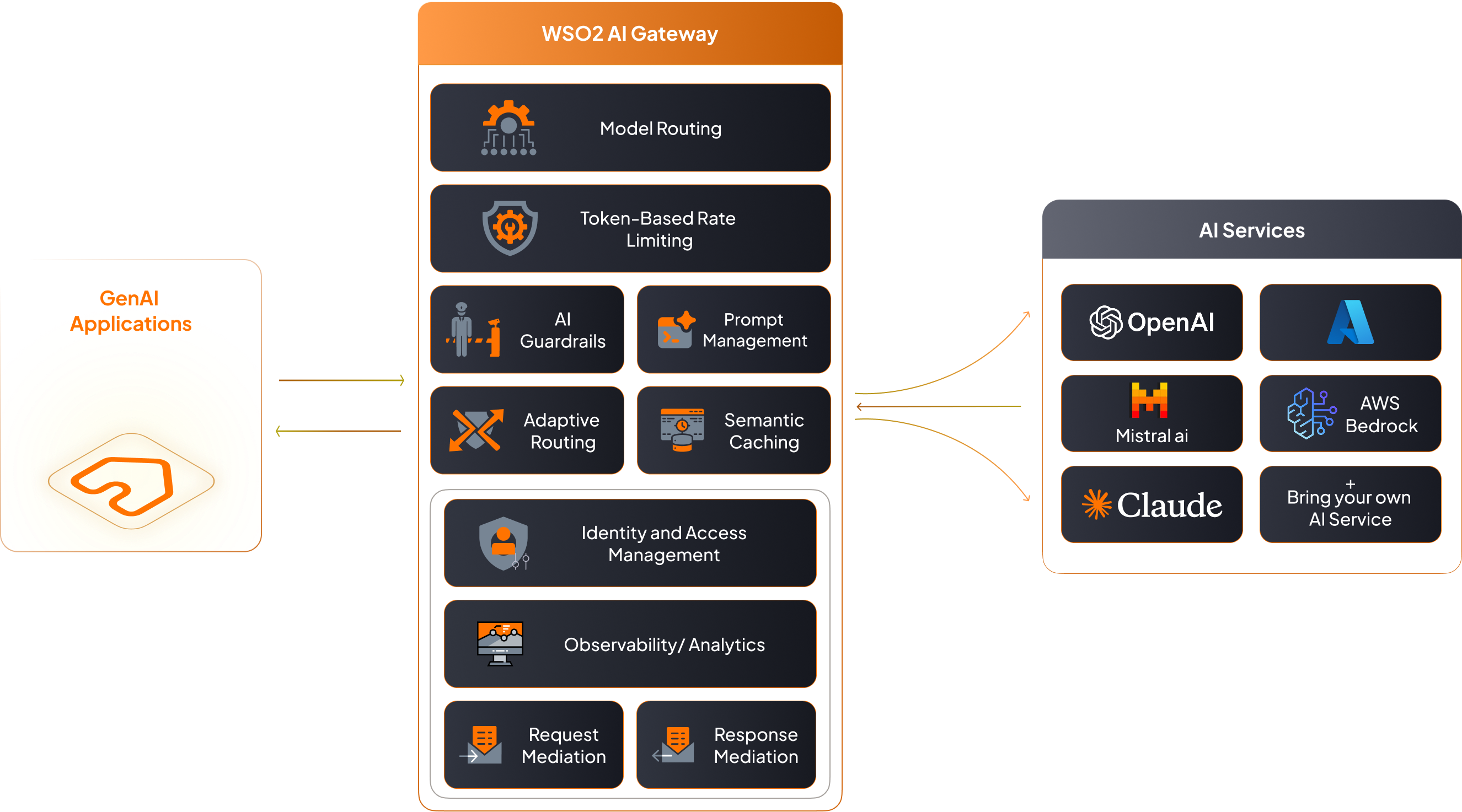
This agentic shift is mirrored in the enterprise sector by WSO2, whose new API Platform features an AI Gateway that automatically converts OpenAPI specs into MCP servers. This allows businesses to make their legacy systems agent-ready without vendor lock-in, treating AI agents as first-class citizens with unique Agent IDs and specialized governance.
While some platforms are opening up, others are recalibrating their access models to handle the sheer intensity of machine demand. Anthropic recently moved to restrict third-party agentic tools like OpenClaw for Claude subscribers, citing the unsustainable compute costs of automated loops.
We’re entering a new era of API-first billing, where high-frequency agentic usage is metered separately from human-paced chat.

Meanwhile, KushoAI is addressing the reliability of these agents by launching APIEval-20, an open benchmark that tests an AI’s ability to find complex logic bugs in live APIs, setting a new standard for autonomous QA.
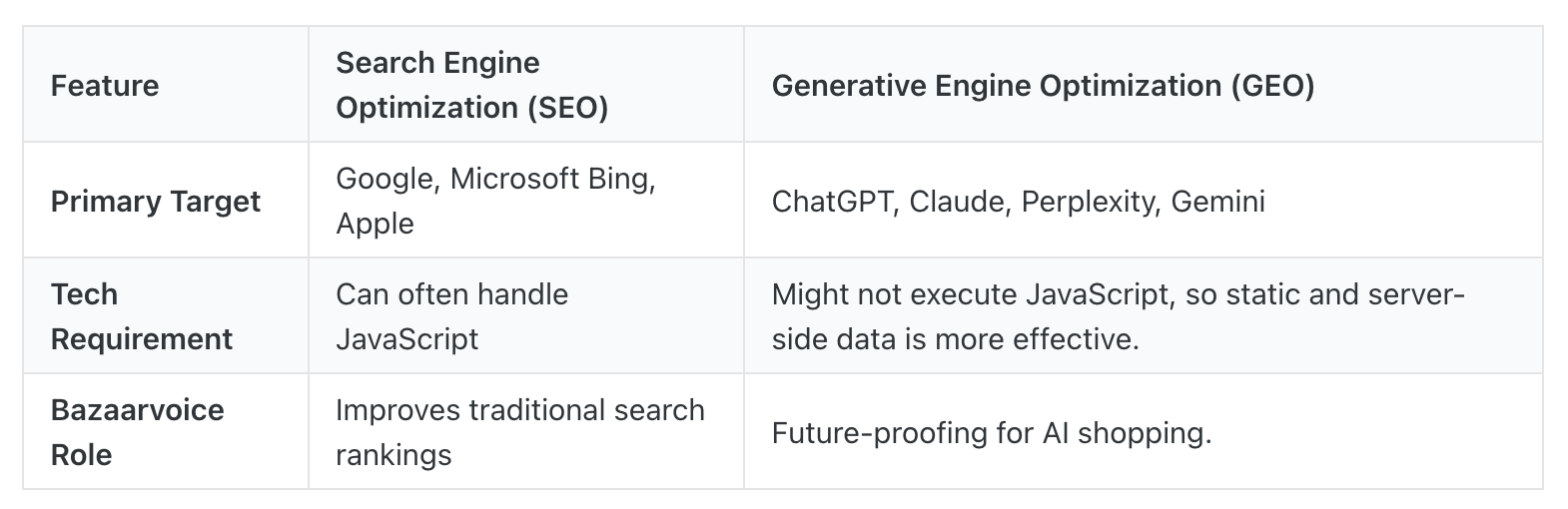
In the consumer and data-sharing space, APIs are becoming the primary bridge for “authentic” intelligence. Qoruz has integrated the YouTube Creator Partnerships API to replace estimated metrics with verified first-party data, while Bazaarvoice launched its Authentic Discovery API to ensure brand reviews are visible to AI search agents via server-side JSON-LD.
In the finance world, CoinDCX opened its Fraud Intelligence APIs to create a unified shield against impersonation scams, and Alertsify consolidated nine US brokerages into a single unified platform for sub-two-second trade execution.
However, the increased reliance on these connections brings new risks, as seen in the European Commission’s recent data breach. In that instance, a supply chain attack on the Trivy scanner led to the theft of AWS API keys, allowing attackers to exfiltrate massive amounts of sensitive data.

As platforms like HawkSoft and PathwayPort move toward two-way API automation for insurance workflows, the industry is learning that the true value of a modern API lies not just in its connectivity, but in its ability to provide a secure, auditable, and machine-readable system of record.
To support this growing ecosystem, Runway has even launched a $10M fund, providing startups with massive API credits to build the next generation of real-time conversational video agents.
The current API trajectory is defined by a move toward autonomous efficiency and verified intelligence. From the financial sector’s shift to agent-ready execution with 1inch and Alertsify to the enterprise-level governance offered by WSO2, the infrastructure is being rebuilt to support machines as primary users. While this transition introduces new complexities, the launch of tools like KushoAI’s APIEval-20 and Bazaarvoice’s discovery APIs suggests a maturing ecosystem.
Ultimately, these developments point toward a future where APIs are no longer just passive data pipes, but active, auditable, and intelligent frameworks that bridge the gap between human intent and machine execution.
Looking forward to next week’s API news!