This is issue 2026.20 of the API Changelog, a mix of API news, commentary, and opinion. In this issue, you'll get to know the most relevant API-related information from the week of May 11, 2026. Subscribe now, so you never miss an issue of the API Changelog.
What are the steps to create a successful API product? Learn about it by reading "Building an API Product."
The book targets Product Managers and non-technical people who want to know what it takes to build API products.
If this isn’t the book for you, perhaps someone you know would like to learn from it. Share it with your contacts and help us spread the word.
Whoa, what a week! API infrastructure is changing fast. It now connects advanced AI systems, automated company workflows, and the secure infrastructure that supports everything.
Let’s look at some of the things that have been grabbing my attention.
F5 has expanded its strategic collaboration with Red Hat to deliver native protection mechanisms inside Red Hat OpenShift. This partnership directly targets the growing threat of unmanaged shadow APIs and the overall complexity of modern Kubernetes deployments.
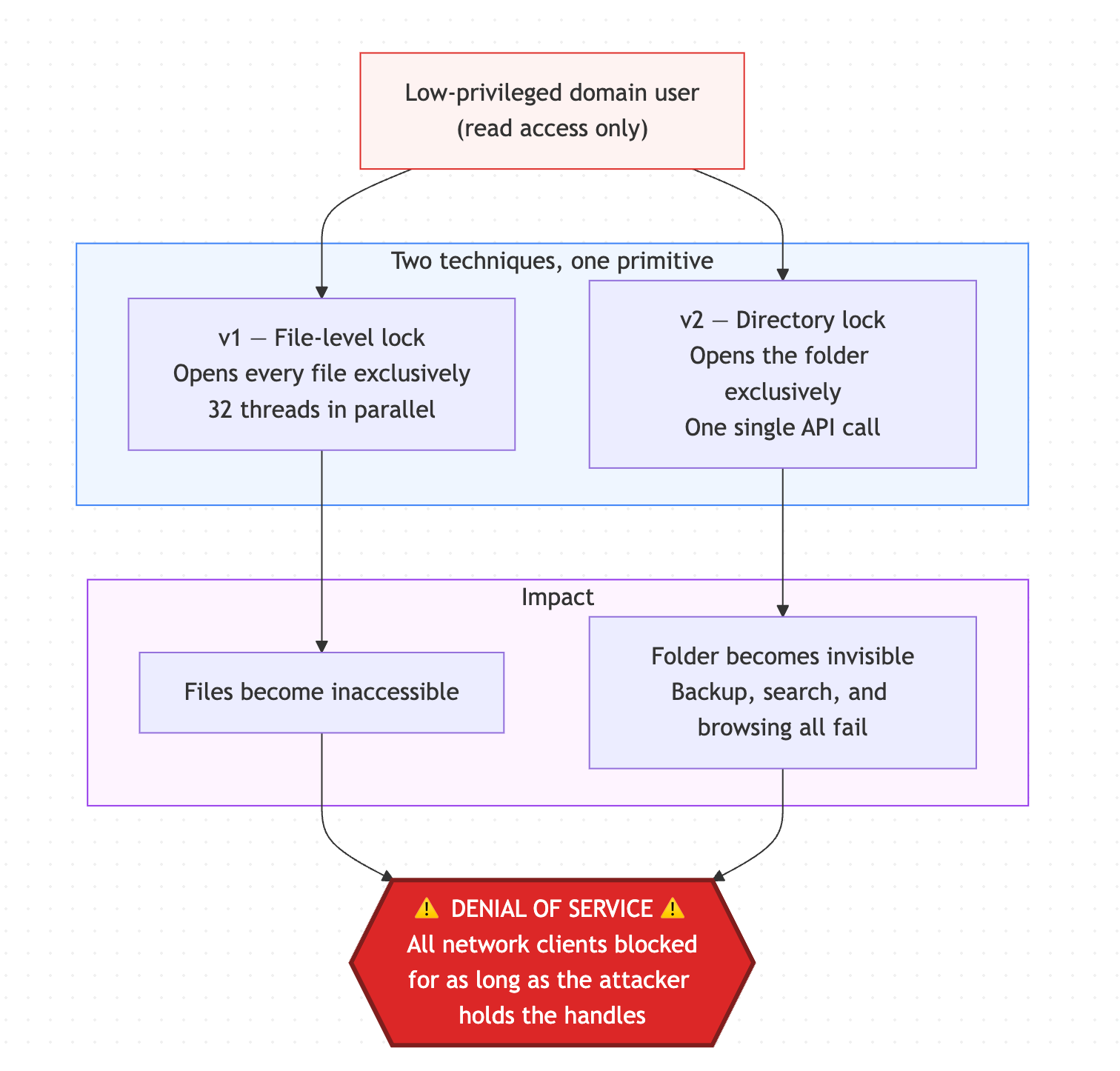
Researcher Kim Dvash recently introduced GhostLock, a Python-based proof-of-concept tool that demonstrates how low-privileged users can orchestrate a widespread Denial of Service (DoS) across file-share networks without altering or encrypting data. The utility exploits a documented, native Windows Win32 file API function known as CreateFileW. By explicitly passing the sharing mode parameter dwShareMode = 0x00000000, the tool requests an exclusive deny-share handle over targeted files across SMB network shares.
GhostLock can completely bypass detection because it doesn’t use any writes or encryption. Instead, it looks like a simple file indexer.
When scaled across entire directory structures, it blocks access for all other network clients, inducing continuous STATUS_SHARING_VIOLATION errors. Analysts point out that this is an abuse of legitimate data-integrity API parameters rather than a system flaw, meaning the access restriction is instantly removed as soon as the offending SMB session holding the API handles is terminated.
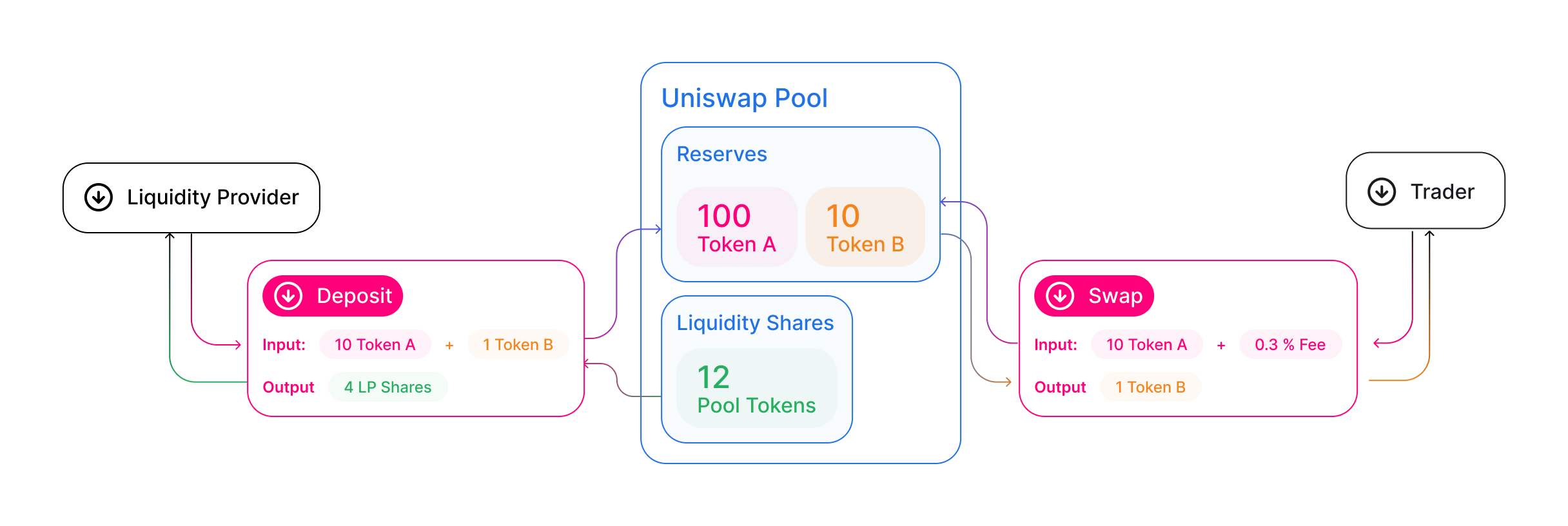
In the fintech space, the Uniswap API has rolled out a major architectural upgrade that native developers can use to support direct payment flows for decentralized applications. Historically, multi-asset routing required developers to write custom smart contracts or guide users through manual, multi-step operations to swap a token and send the final output to a third-party recipient. The updated Uniswap API natively handles this by allowing developers to embed a designated recipient address parameter straight into their programmatic quote requests.
Uniswap is an automated market maker (AMM) or a set of smart contracts that let anyone swap tokens, provide liquidity, or create new markets directly on-chain.
Further expanding the capabilities of Web3 infrastructure, Bitget Wallet has officially launched its self-service B2B API Portal to programmatically scale on-chain trading for developers and institutional clients. Built on Bitget’s proprietary DEX aggregation engine, which actively routes over $20 million in daily trading volume, the platform eliminates the need to build background liquidity networks from scratch.
The newly exposed suite of developer endpoints includes a Trading API for optimal asset pricing, a Cross-chain API for unified multi-network swaps, and a Market Data API covering 33 public networks and over 200 tokenized stocks. The portal now supports new ecosystems like HyperEVM and Hypercore to help decentralized systems scale. It adds fast blockchain queries and interfaces to broadcast transactions.
At the same time, specialized data pipelines are redefining consumer intelligence and fraud prevention through real-time endpoint capabilities.
Homesage.ai has entered the PropTech market with a high-accuracy, RESTful Skip Tracing API designed to deliver structured U.S. property owner records to real estate platforms, lenders, and wholesalers. This API uses JSON schemas and standard JWT authentication. It lets third-party tools like CRMs make fast requests to find phone numbers, email addresses, and confidence metrics. The performance is under 100ms, and there is no need to manage a complex data infrastructure.
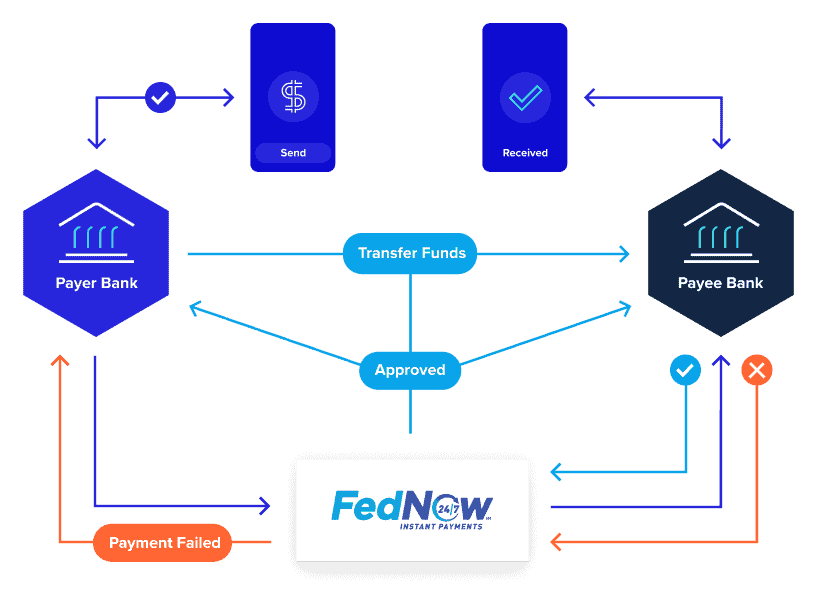
In a similar vein, the Federal Reserve Financial Services has rolled out its FedNow Service network intelligence API to fight authorized push-payment fraud and transaction anomalies actively. This RESTful API runs independently of the main payment system. It lets banks use the FedLine Developer network to check receiver history and behavior before approving an instant payment. Automated compliance systems can then block or flag suspicious transfers immediately.
A FedNow payments flow involves five key parties: the payer, the payer’s bank, the FedNow network, the payee, and the payee’s bank.—ACI Worldwide
The evolution of API technology is also fundamentally altering how humans and machines interact with complex technical documentation.
Finally, commercial scaling and foundational developer initiatives are reshaping how decentralized applications function without heavy dependence on cloud monopolies.
Everlaw has expanded its legal document preservation capabilities by introducing a dedicated Legal Holds API. This endpoint exposes real-time litigation hold data, custodian lists, and compliance metrics to internal IT environments. It lets developer teams feed live preservation metrics directly into corporate dashboards. It also triggers workflows automatically across external platforms like Slack or Google Vault. This replaces manual exports with seamless data automation.
The growth of specialized endpoints shows that modern software depends on automated API architectures. APIs are no longer simple connectors. They are the framework driving innovation by securing AI, enabling local-first systems, and connecting business pipelines. As automated tools begin writing their own integration logic, success will belong to organizations that prioritize clear documentation, built-in security, and interoperability.
Until next week!
Thanks for reading The API Changelog! Subscribe now for free.